Hello and thanks for joining us for Inc.’s 1 Smart Business Story.
Today: two sectors of the hottest sectors economy you’d never think of together. Yes, we’re talking artificial intelligence and the kinds of businesses that are AI-proof, such as HVAC and plumbing. But that’s the genius of Melisa Tokmak’s Netic, the $450 million valuation startup that brings automated agents to the world of clogged pipes and central heating. The 31-year-old founder has a remarkable story and even more fascinating insights, so check out:
Why Tokmak was inspired to build software for the real world
How Netic’s AI tools are driving revenue for customers
The next service-based businesses where Tokmak believes AI can transform their operations
At Inc., we’re always interested in learning how you’re using tech, and particularly AI, to give your business a competitive advantage. Email me at [email protected] and let me know, and maybe your tale will be our 1 Smart Business Story one day.
This Startup Gives AI Superpowers to HVAC, Plumbing, and Roofing Companies
Netic founder Melisa Tokmak has raised over $40 million to help service businesses be even more human.
BY CHLOE AIELLO, REPORTER

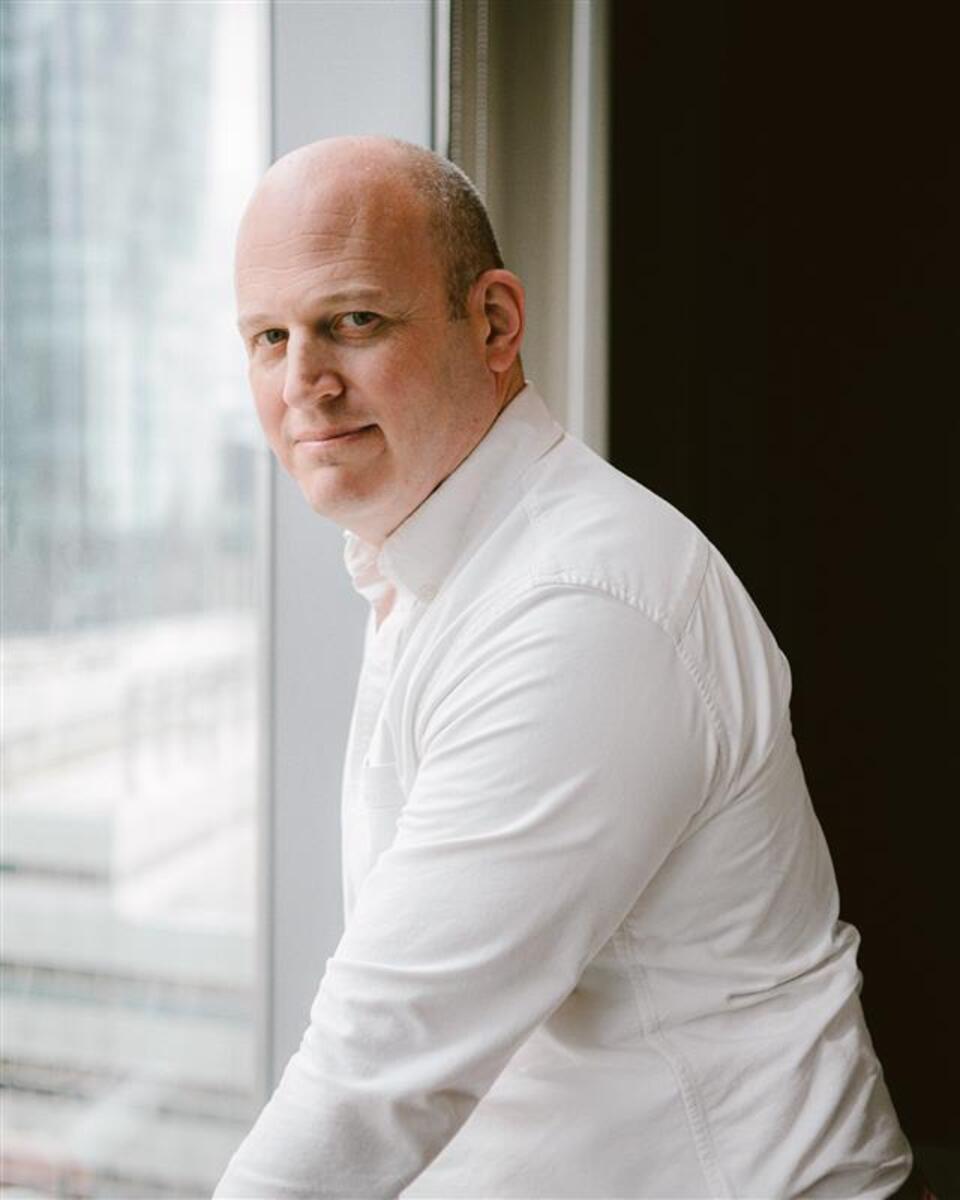
Netic's Melisa Tokmak. Photography by Simrah Farrukh
Melisa Tokmak grew up in the small town of Salihli, Turkey, where her parents still operate a perfume shop. Even as a youngster, she remembers, she had an entrepreneurial spirit. “I would always look for ways to get my mom out of the shop so that I could sell to the customers,” she says.
Today Tokmak, the founder and CEO of San Francisco-based Netic, is a long way from hawking fragrances. The company, which she launched in 2024, started as an AI revenue engine for large businesses that perform essential home services such as HVAC and plumbing. It now also serves businesses that offer pest control, appliance maintenance, roofing, and solar, and is expanding to wellness, automotive, and more.
Tokmak, 31, was inspired to build the company after moving with her husband into her first-ever house in California. Having grown up in an apartment in Turkey, she found the experience “magical.” Less enchanting, however, was dealing with contractors. She couldn’t help but wonder: Shouldn’t dealing with these tasks be as easy as ordering food or requesting an Uber?
Tokmak knew from an early age that she wanted a life beyond the borders of Salihli. She started learning English as a teen and arrived at Stanford in 2013. “It’s naive maybe to admit this, but I didn’t even know what ‘Silicon’ in Silicon Valley meant [then],” she says.
Tokmak was a quick study. Although she was living the life of a Stanford student, and soon coding like one, Tokmak says her background gave her a perspective different from those of her peers, many of whom wanted to build developer tools or social media networks. “To me, that never made sense,” she says. “We should be building for the real world.”
Netic uses a compound AI system that allows AI agents to field and execute on customer inquiries about scheduling and pricing, freeing companies to “focus on what they do best instead of trying to figure out how to be everywhere,” Tokmak says, and increase their average ticket value by 50 percent.
Investors were quick to bite. Netic emerged from stealth in June with $20 million in funding and in November announced a $23 million Series B that values the company at $450 million. It serves companies across North America that range from $20 million to billions in revenue, says Tokmak, adding that Netic’s own revenue has increased 1,700 percent in less than a year and is on track to close out 2025 up 2,100 percent.
A product of both Silicon Valley and Salihli, Tokmak views AI as transformative for tedious business tasks, but acknowledges how crucial humans remain: “Those jobs and trades will become even more important,” she says, “because they cannot be automated right now.”